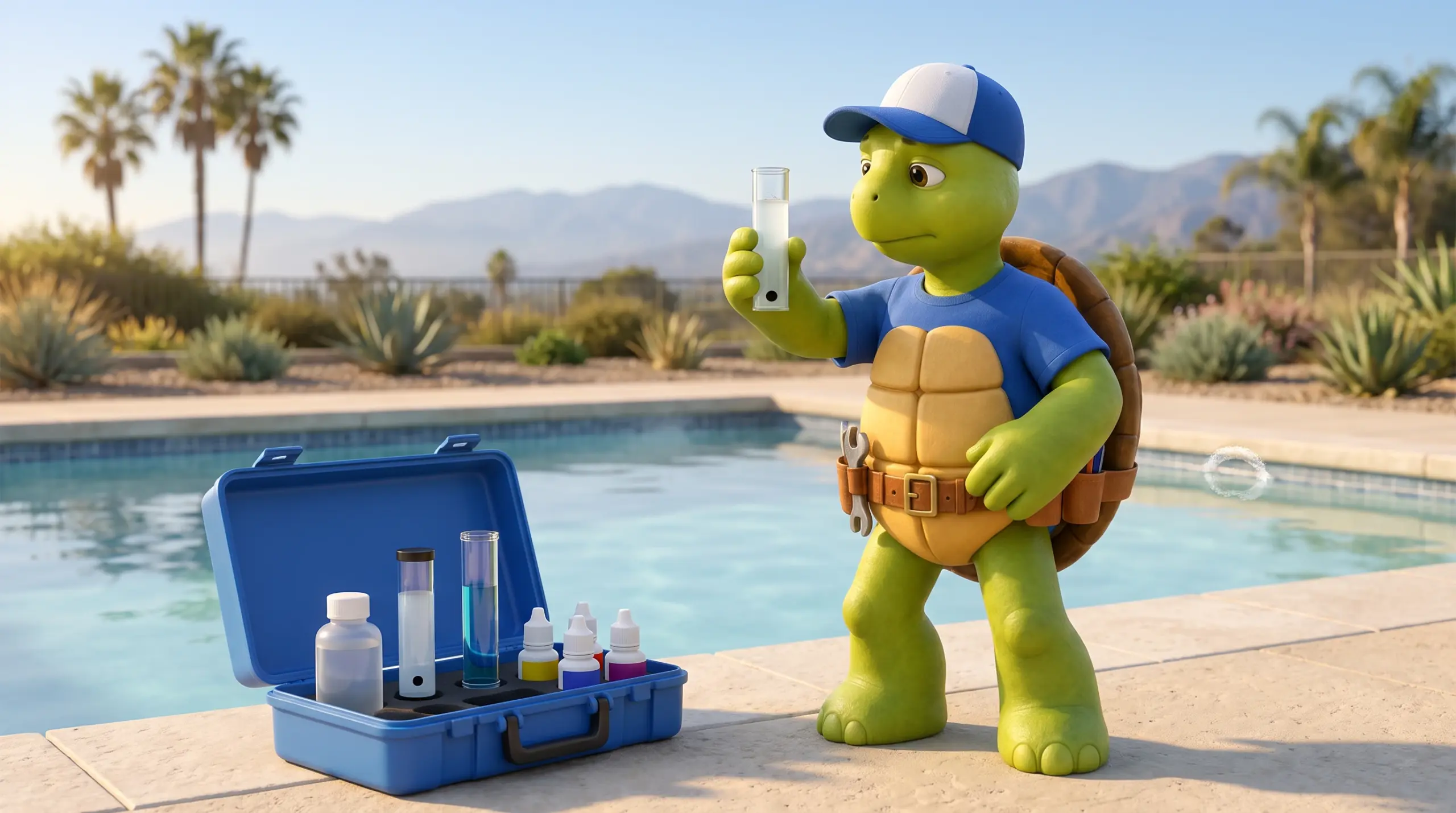
How Often Should a Pool Actually Be Drained?
"Every three to five years" is an average of other people's pools. Drain when cyanuric acid passes 100 ppm or calcium nears 800, and most of the time a partial drain does it.

"Every three to five years" is an average of other people's pools. Drain when cyanuric acid passes 100 ppm or calcium nears 800, and most of the time a partial drain does it.
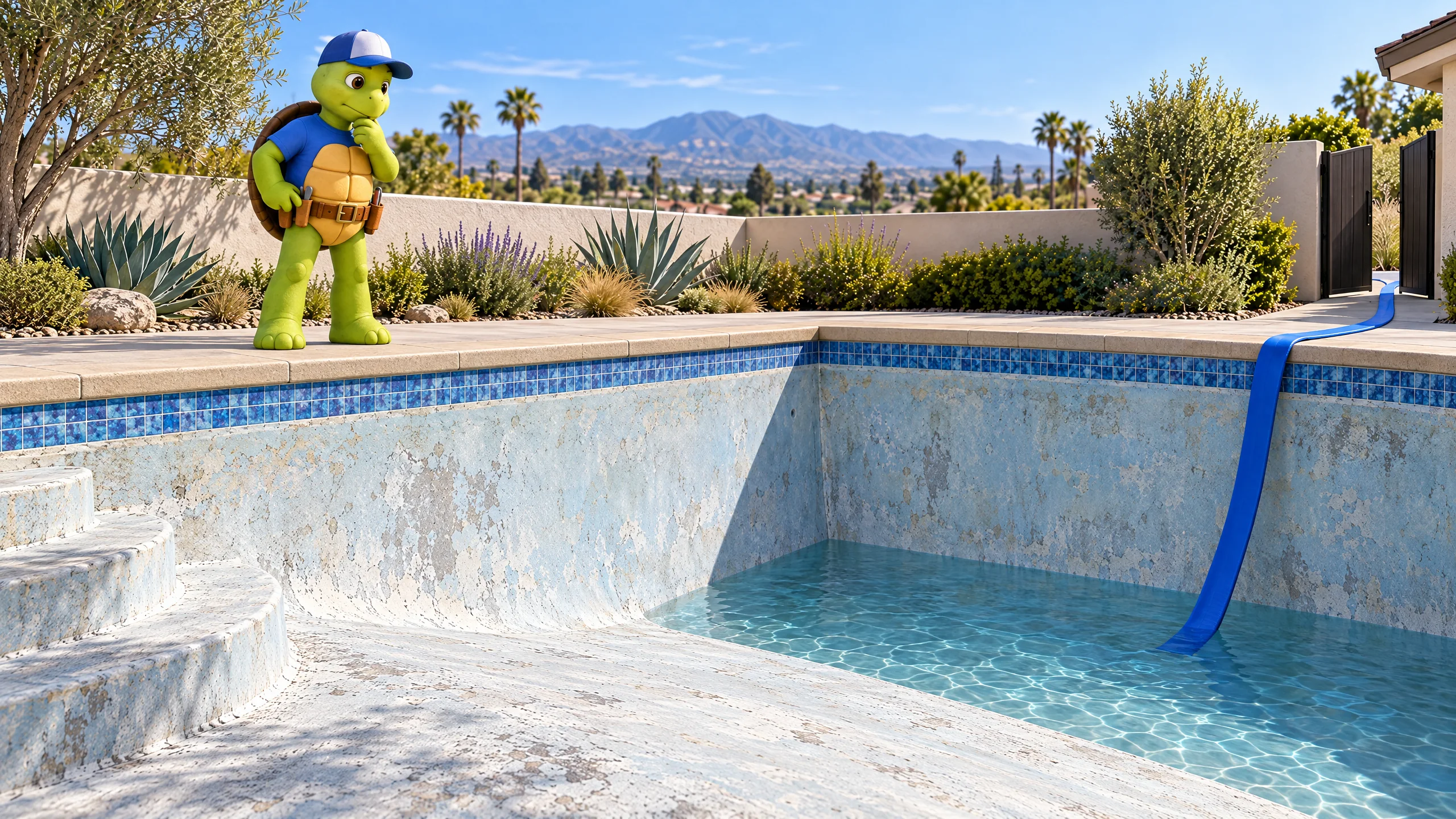
A replaster quote is about ten jobs in one number. White plaster runs $6 to $8 a square foot, and the rest is draining, prep, tile, refill water at your meter and a 28 day startup.
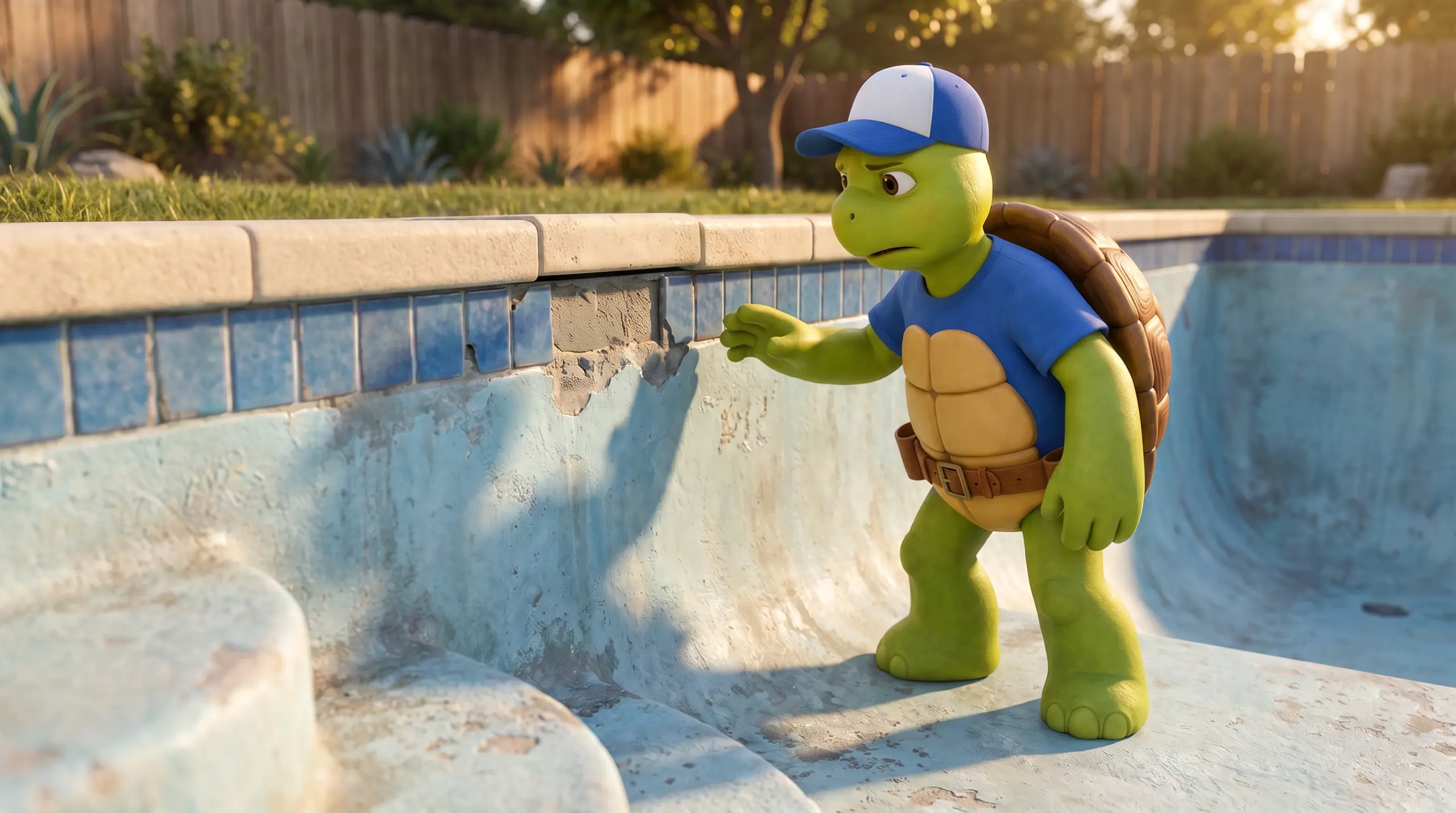
Coping and waterline tile go in before plaster or pebble, and the pool gets drained once. Waterline tile runs about $25 a linear foot, coping $40 to $80, and a new finish needs a 28-day start-up.
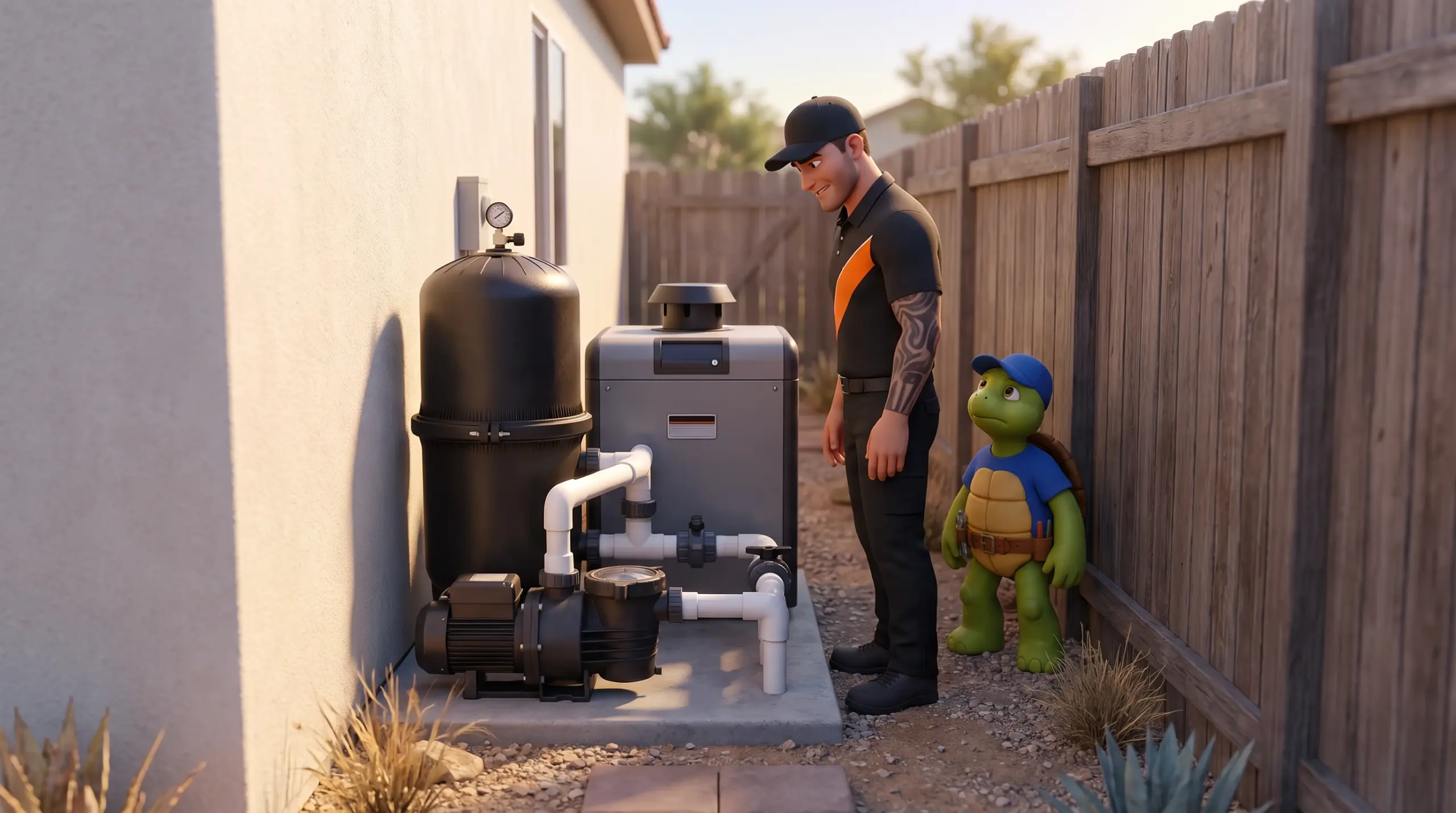
Moorpark allows a pool 3 feet from the house. Slopes, septic tanks, power lines and the equipment pad decide the rest, and none of it is one statewide number.
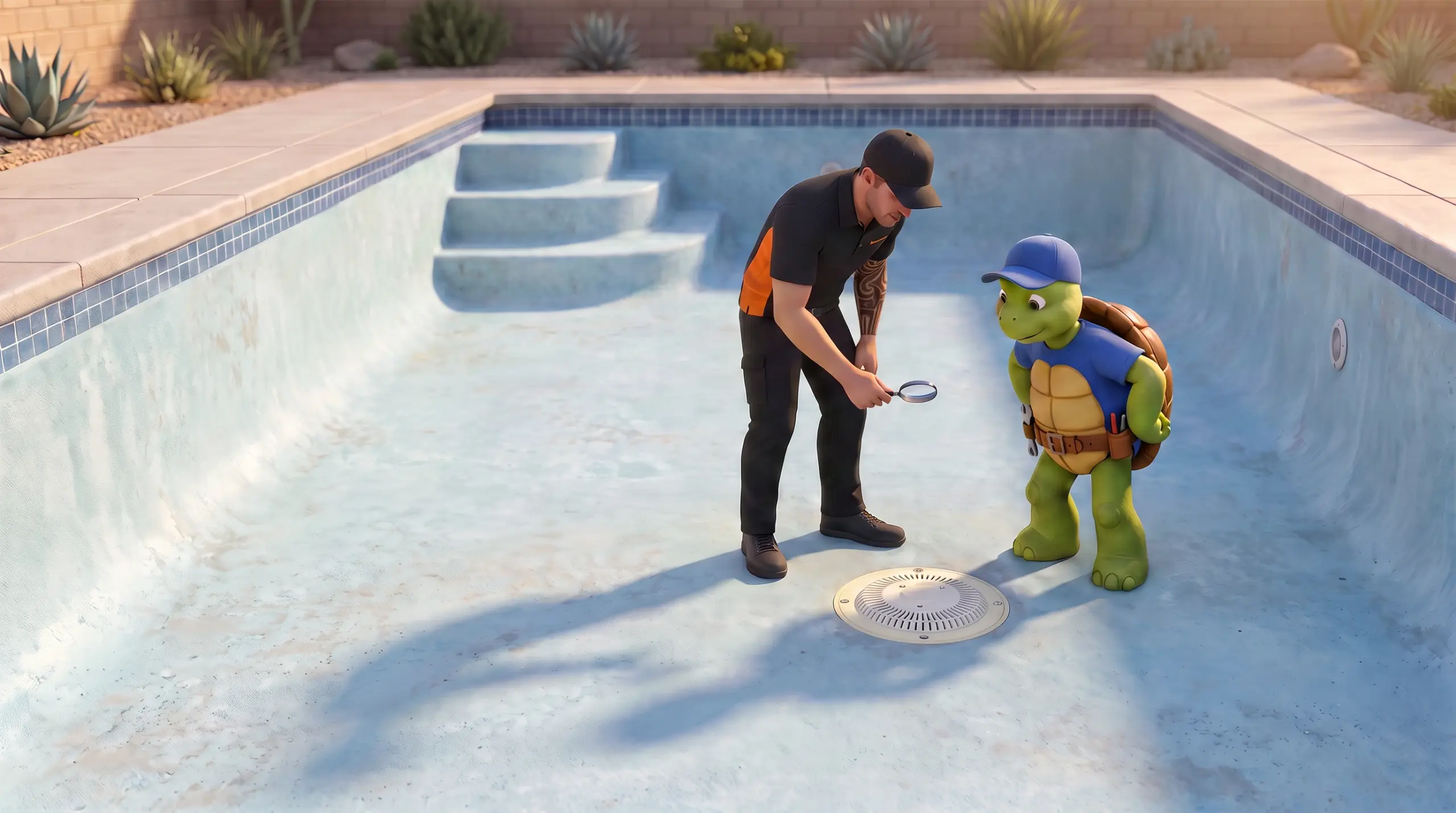
A like-for-like replaster isn't on any Ventura County permit list we checked, but new gas, electrical or structural work is. Pull a remodel permit and state law adds 2 of 7 drowning safety features and new drain covers.
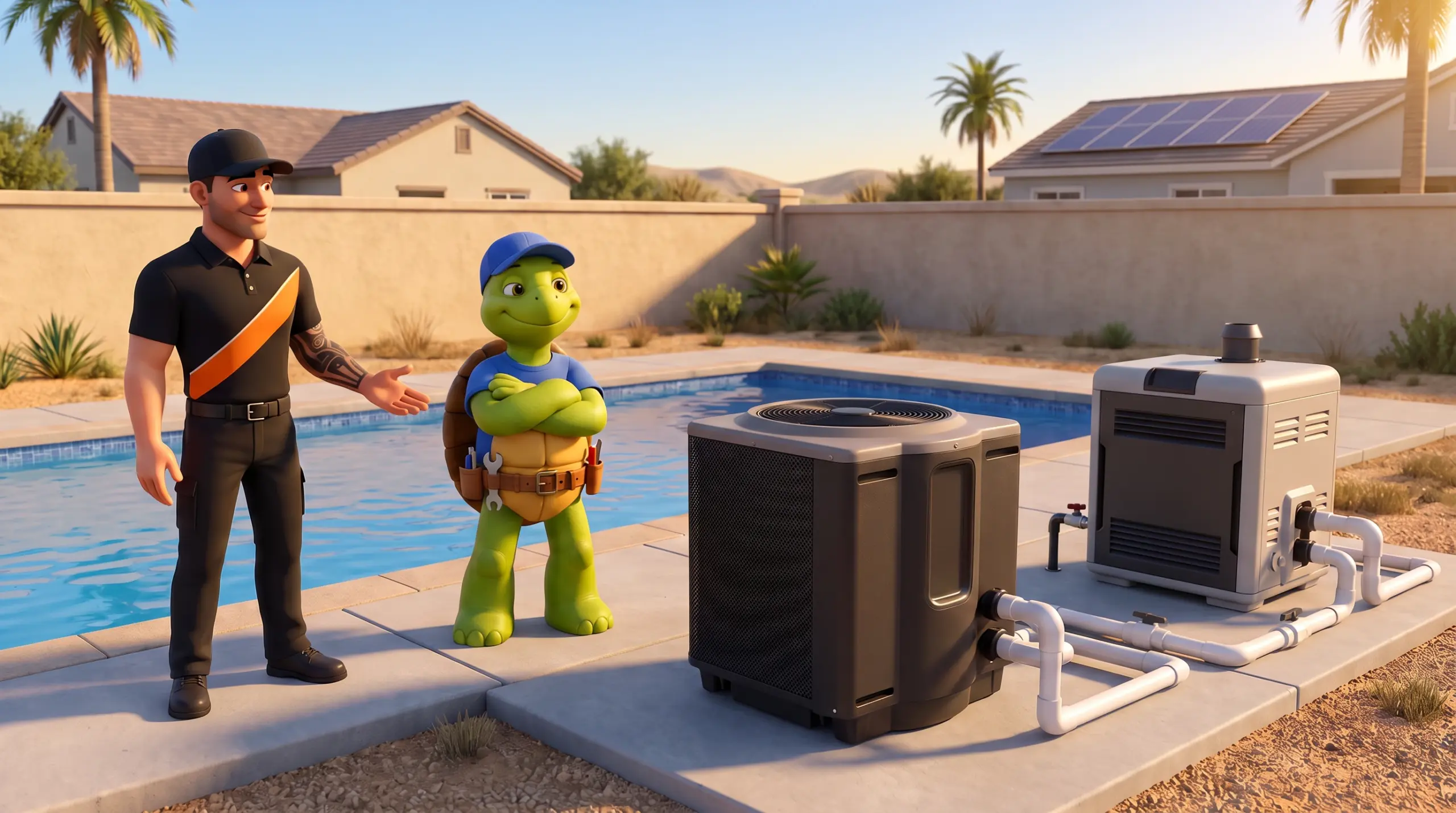
Since January 1, 2026, a new pool in California needs a heat pump or solar as its primary heater, with gas allowed as backup. The rest of the recent rule changes reach your pool only when you pull a permit, sell the house or replace something.
An existing pool without a fence is usually not illegal under state law. Pull a permit for a new pool or a remodel and you need 2 of 7 drowning prevention features, and a home inspector has to report how many you have when you sell.